
Performing a general ledger reconciliation involves a structured approach to identify and resolve differences. The first step requires gathering all necessary documents and data for the specific account being reconciled. For example, reconciling a cash account necessitates obtaining the general ledger cash report and the corresponding bank statement. For accounts receivable or payable, this might include detailed subsidiary ledger reports, customer invoices, or vendor statements.
Frequently Asked Questions (FAQs) About General Ledger Reconciliations
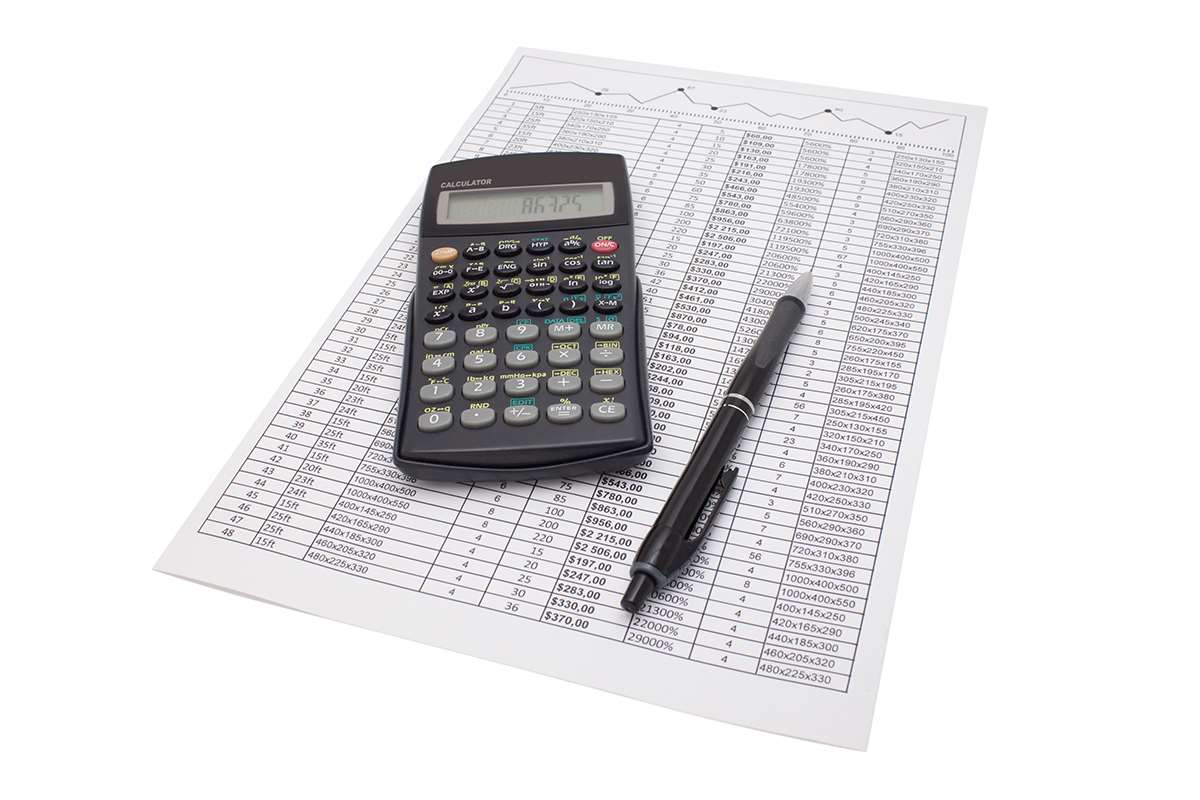
Financial clarity improves your reputation with stakeholders and helps you evaluate the financial health of the business and make proactive, informed decisions. Things can change rapidly in the world of accounting, whether it’s updated regulations, adjustments to your own internal processes and standards, or an adoption of new software. But this method brings its own challenges—it’s time-consuming, prone to errors, and strains your accounting team. For example, a global business has to handle transactions in multiple currencies, while intercompany accounting and expense amortization can also be complicated. GL reconciliation can be challenging, especially if you don’t use standardized processes or train accounting staff on the best practices.
Prevents Financial Discrepancies
- Think of it as a regular checkup, ensuring everything runs smoothly and accurately.
- You can find a variety of free and paid spreadsheet templates online or create your own tailored to your specific needs.
- The volume of transactions that flows through a business each period can be overwhelming to track manually.
- Ultimately, general ledger reconciliation is a cornerstone of sound financial management.
- This structured approach to reconciliation in accounting ensures accuracy, compliance, and audit readiness while streamlining your month-end close process.
- This automation improves accuracy and reduces the risk of human error, freeing up your team for more strategic work.
With each discrepancy resolved promptly, you’ve protected the integrity of your organization’s finances like a vigilant guardian. By continuously improving and updating your processes, you’ve https://www.anthonyib.co.za/2022/04/27/fit-small-business/ paved the way for success. Let’s dive straight into the best practices for general ledger reconciliation, focusing on efficiency and accuracy.
- It provides a clear picture of the organization’s financial health, enabling better choices for budgeting, investments, and strategic planning.
- The general ledger serves as the central repository for all financial transactions within an organization.
- Company budgets and forecasts are typically based on information contained in the general ledger.
- To enhance the efficiency of your financial record management, it’s vital to continuously improve and update your reconciliation processes.
- Regular reconciliation also strengthens internal controls, making fraud more difficult.
- There are many ways to verify balances, but a standard method compares your account balance to a third-party statement like a bank account statement or a mortgage statement.
Step-by-Step GL Reconciliation Process
This step formally incorporates the corrections into the company’s financial records. Accrued and prepaid expenses, representing obligations incurred but not yet paid or payments made for future benefits, are reconciled against supporting schedules or agreements. Supporting documentation for these reconciliations includes bank statements, customer invoices, vendor bills, payroll records, physical count sheets, and detailed contracts or agreements. Income statements are considered temporary accounts closed at the end of the accounting year. Their net balances — positive or negative — are added to the equity portion of the balance sheet. In contrast, the accounts that feed into the balance sheet are permanent accounts used How to Run Payroll for Restaurants to track the business’s ongoing financial health.


One of the most powerful features of automated GL reconciliation is the ability to monitor your accounts in real time. Automated systems can handle complex matching scenarios and flag any discrepancies immediately. Setting up alerts for specific events, such as large discrepancies or unusual transactions, allows you to address potential issues proactively. This real-time monitoring and alert system provides continuous oversight of your financial data, ensuring accuracy and allowing you to quickly identify and resolve any inconsistencies.
Fixed assets reconciliation

In conclusion, if you find yourself needing assistance with general ledger reconciliation, consider seeking professional guidance or exploring outsourcing options. Doing so can help ensure accuracy, efficiency, and ultimately lead to better control over your financial records. During the review process, pay close attention to any unusual trends or patterns that may indicate errors or irregularities.
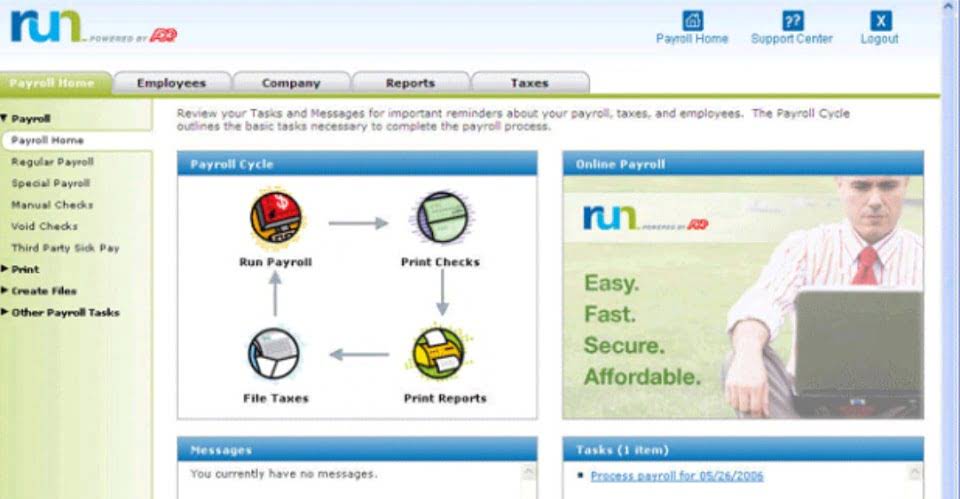
Prevent Errors and Maintain Financial Integrity
For high-volume businesses, consider HubiFi’s automated revenue recognition solutions, which seamlessly integrate with existing accounting software and ensure compliance with ASC 606 & 944. By comparing your general ledger balances with external data sources, general ledger reconciliation such as bank statements or vendor invoices, you can identify any inconsistencies or errors in your financial records. This process allows you to detect and rectify discrepancies promptly, ensuring that your books accurately reflect the true financial position of your business. This helps identify discrepancies and ensures the company’s financial statements are correct and reliable.